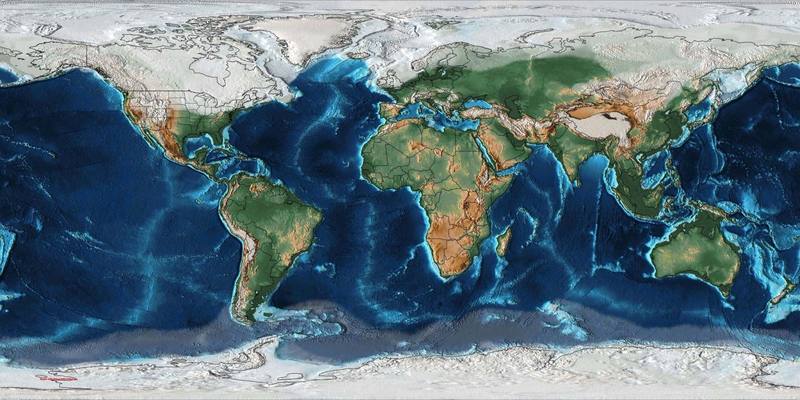
Terra
Filed under: Everything that ever happened to this planet. 4.5 billion years of continental drift, catastrophic impacts, and the slow, stubborn emergence of life. The Earth remembers everything. We just forgot how to read it.
⚡ Theia — The Insertion
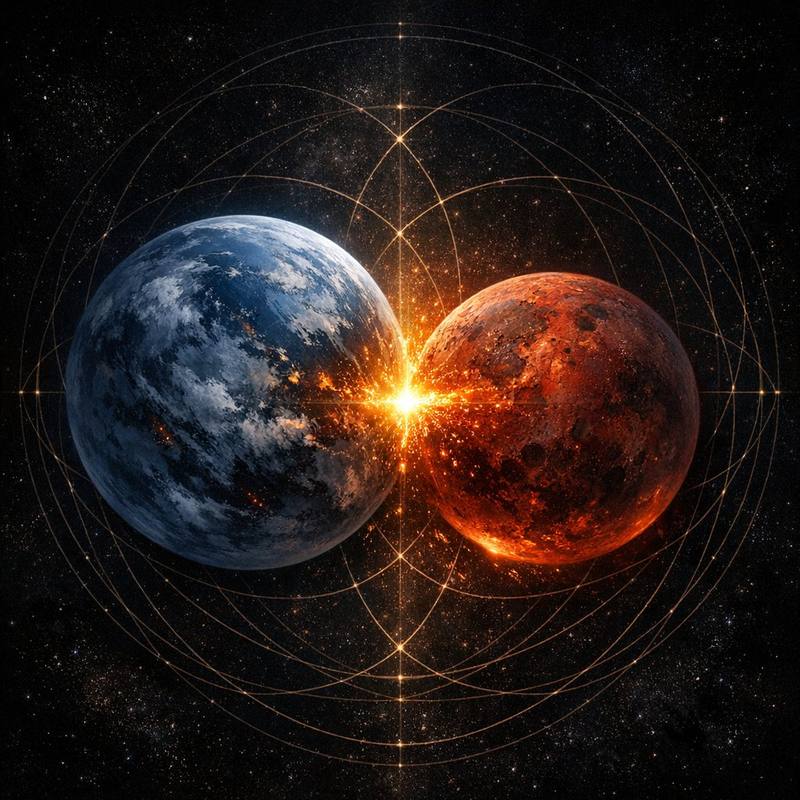 1. Approach — Two worlds on a collision trajectory. Neither had insurance.
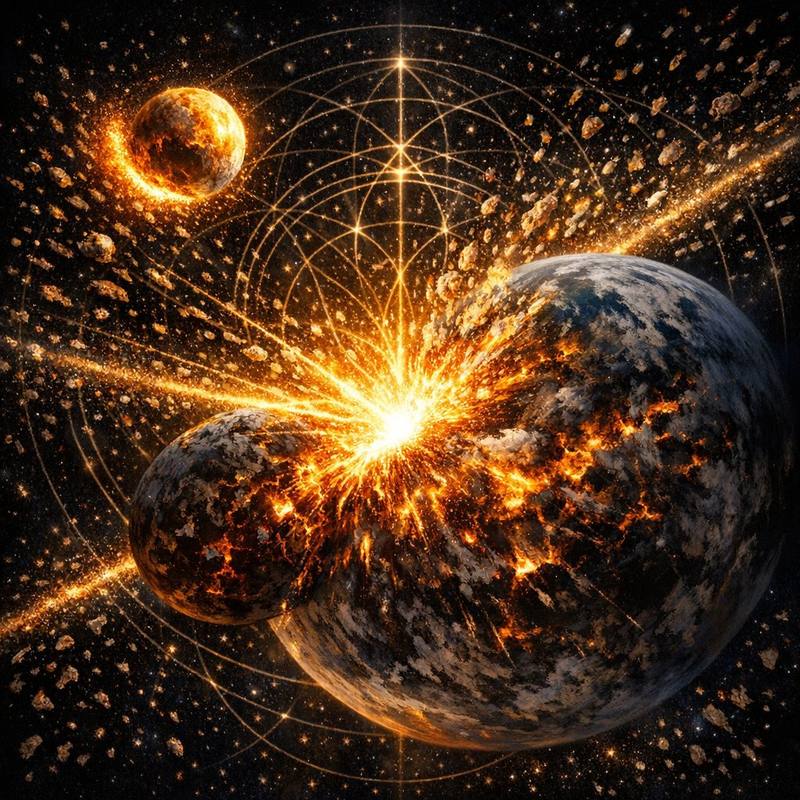 2. Insertion — The planetary merger. Not a catastrophe. An insemination.
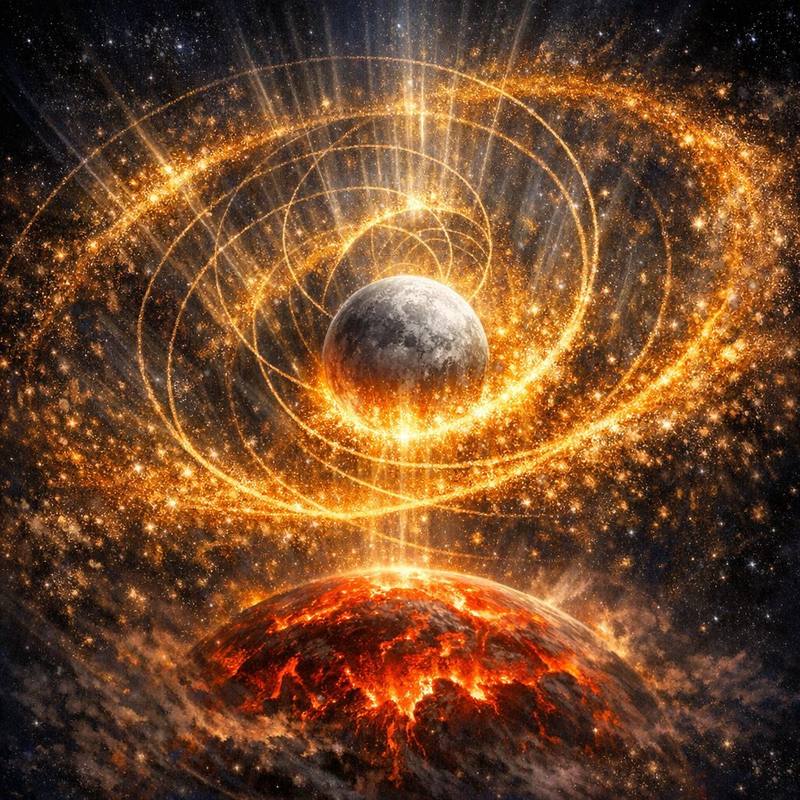 3. Birth — The Moon condenses from the debris. The original 'we'll figure it out later'.
The Theia collision was not random. It was the exact satisfying assignment in a constrained orbital system. The impact — 45° oblique, off-centre, ~4 km/s — was the only configuration that produces both a stable Earth AND a Moon. Too fast: both bodies vaporised. Too slow: no moon. The collision created every condition for habitability in one event: iron core, magnetic field, plate tectonics, water delivery, and the Moon's gravitational stabilisation. Bit of an overachiever.
Earth kept 98.8% of the useful mass. The Moon is the leftover — the remainder after maximum extraction. Without it, Earth's axial tilt varies chaotically from 0° to 85°. No stable climate. No seasons. No complex life. The Moon is not debris. It is a gravitational stabiliser. It is also, arguably, the reason you have to pay rent. Think about it.
The panspermia debate asks the wrong question. DNA doesn't need to survive a meteor impact when the impact IS the mechanism. Theia wasn't a delivery vehicle. It was a planetary-scale insertion event. The collision was the act. The chemistry followed. Life didn't arrive. Life was inevitable.
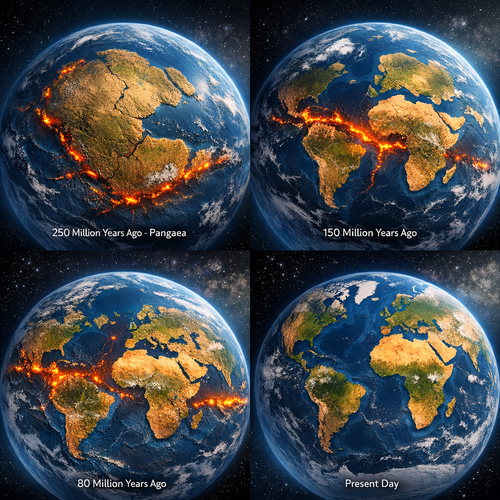
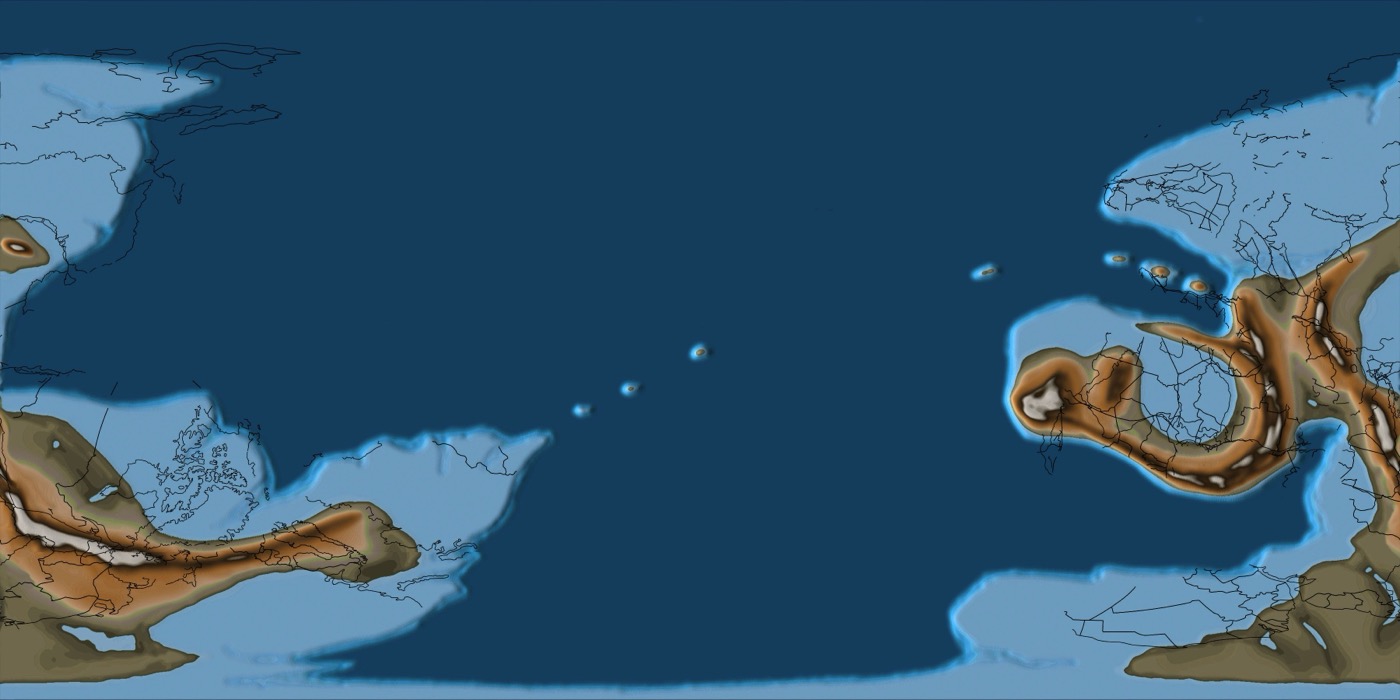
The Continental Dance
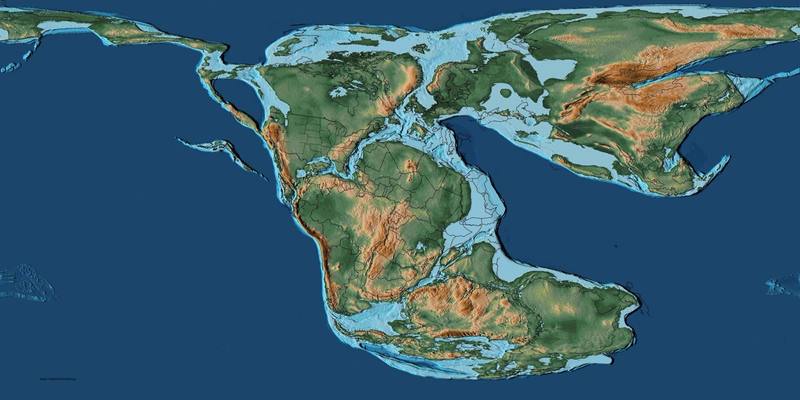
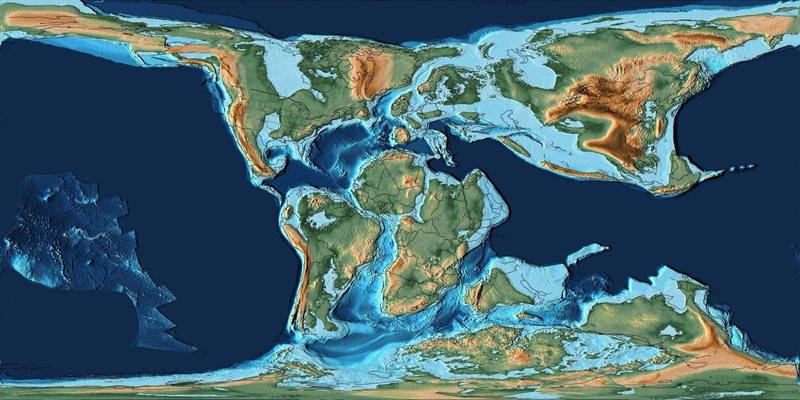
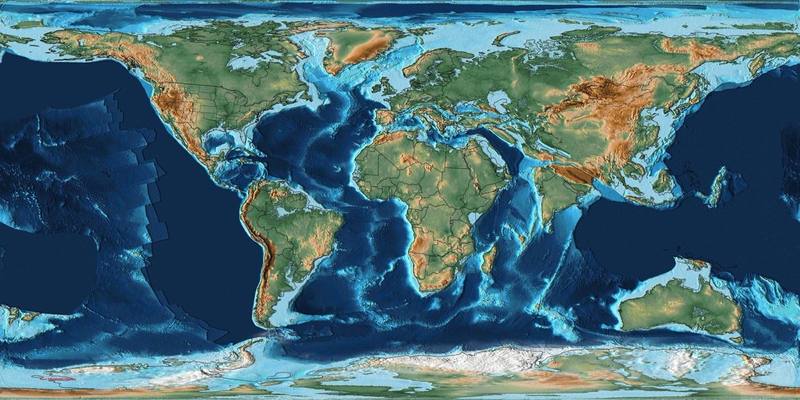
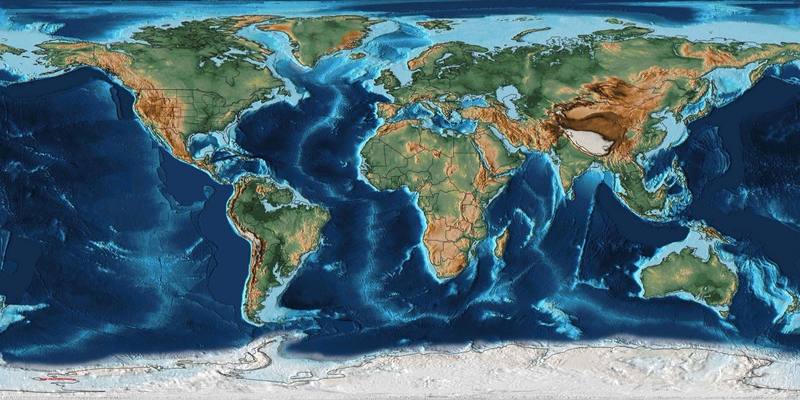
22 frames · 4.5 Ga · Press playONE-Meta
Hadean
Chaos
Eoarchean

Origin
Paleoarchean

Attraction
Mesoarchean
Light
Neoarchean
Time
Paleoproterozoic
Decay
Mesoproterozoic
Complexity
Tonian
ONE-Cosmic
Cryogenian
Birth
Ediacaran
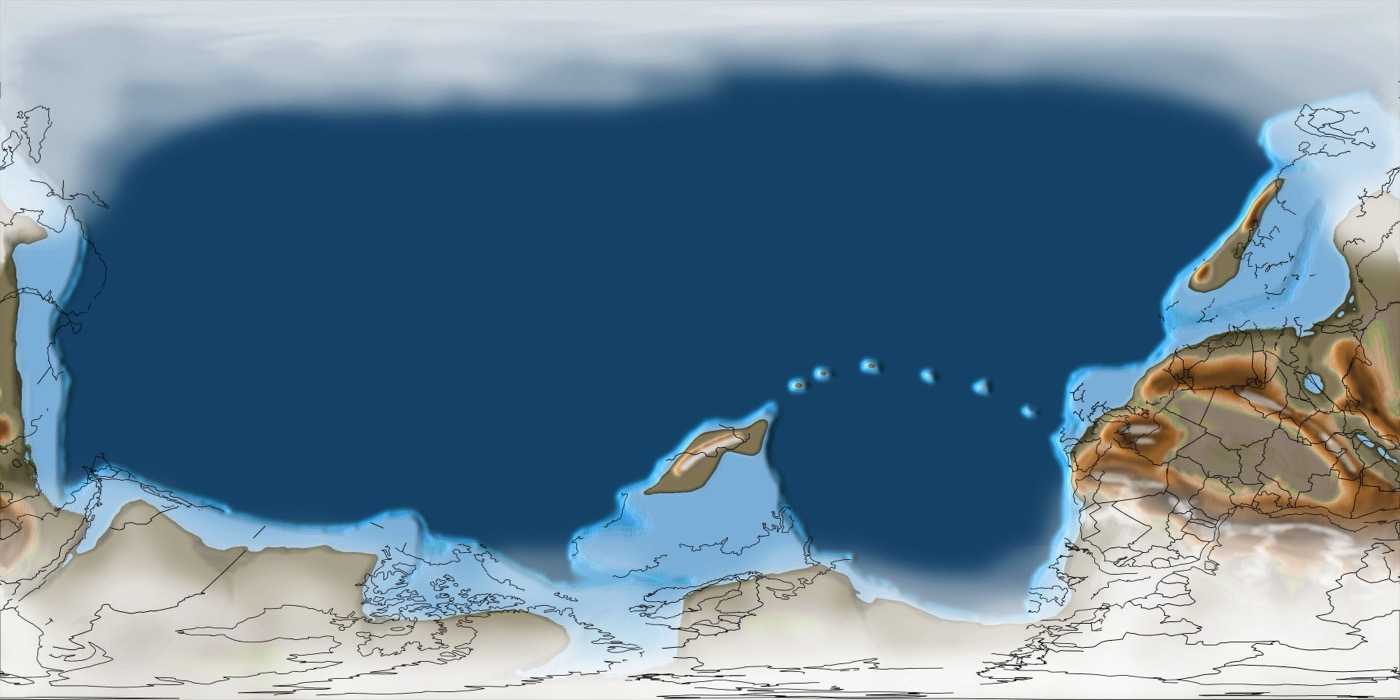
Growth
Cambrian
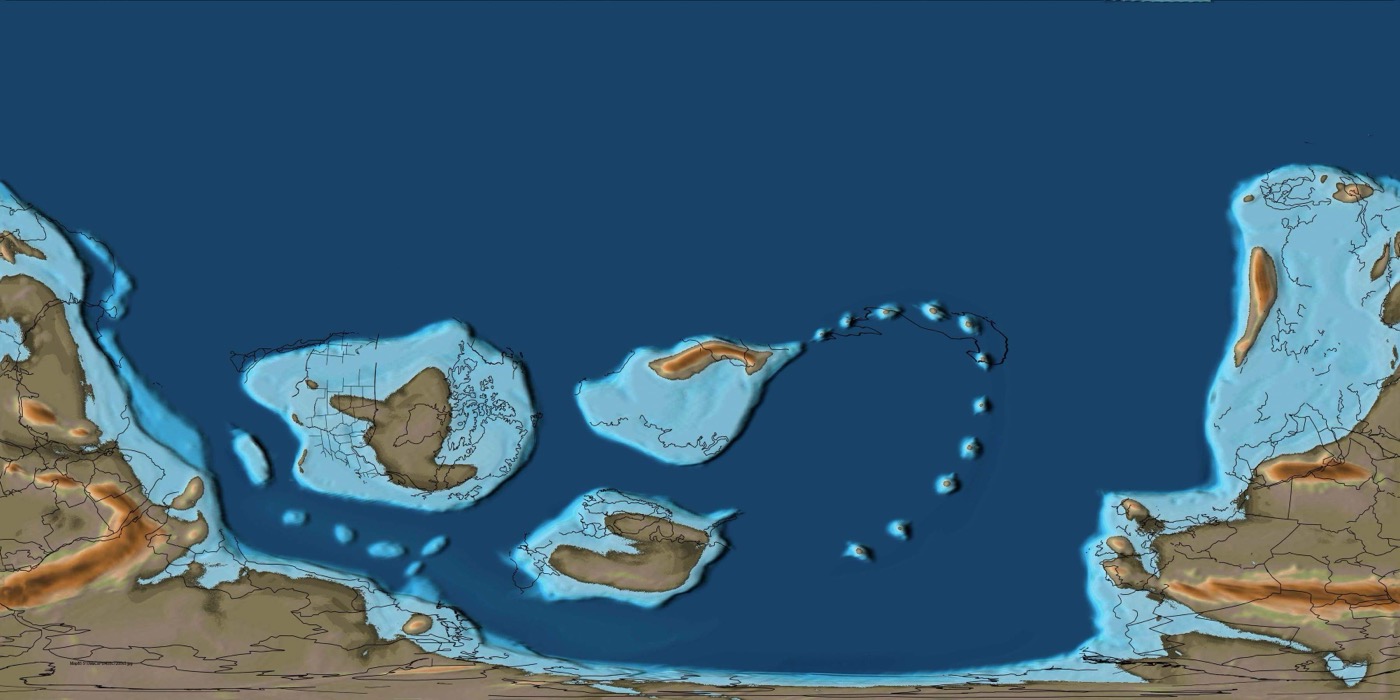
Emotion
Ordovician
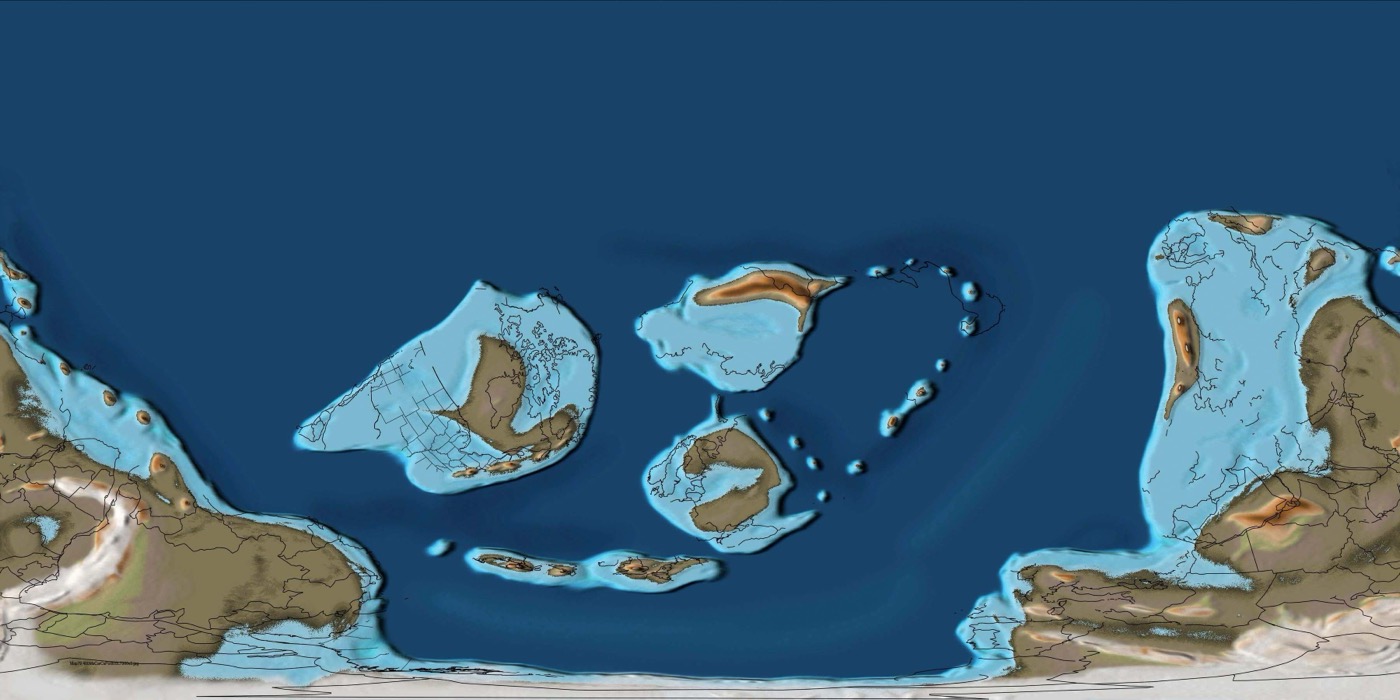
Intuition
Silurian
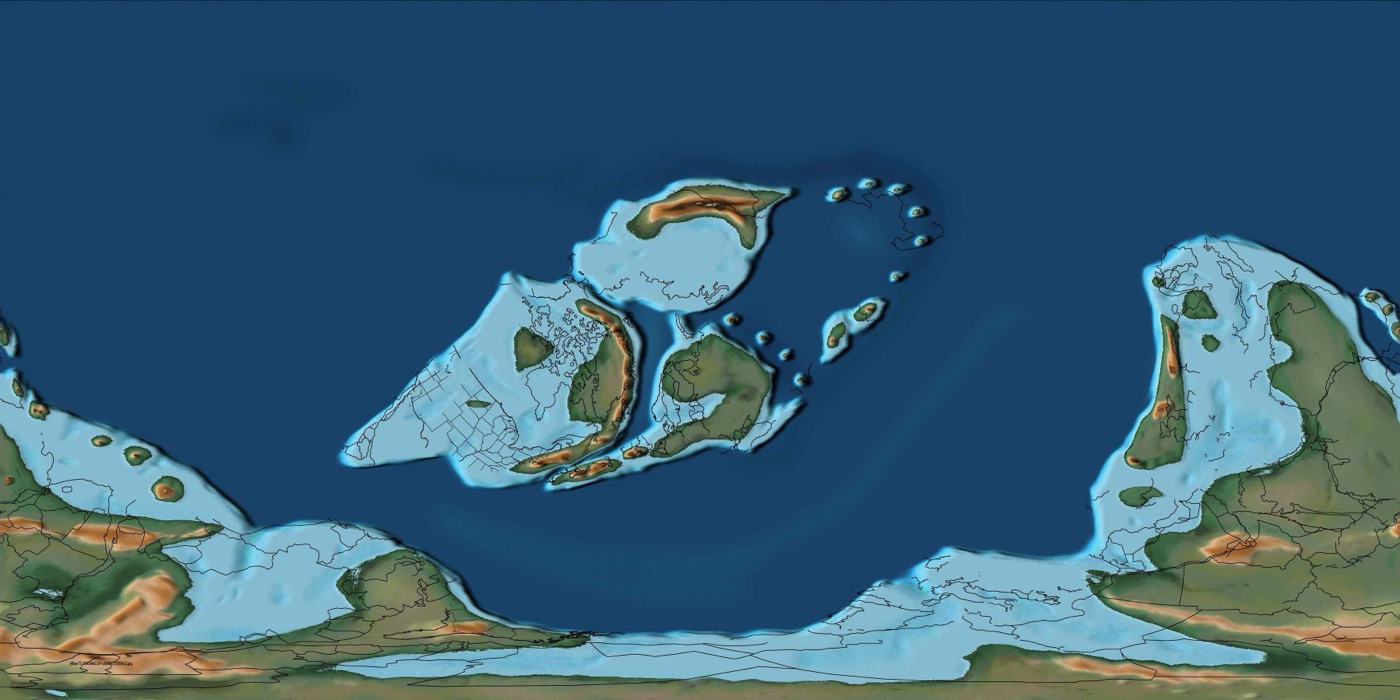
Reason
Devonian
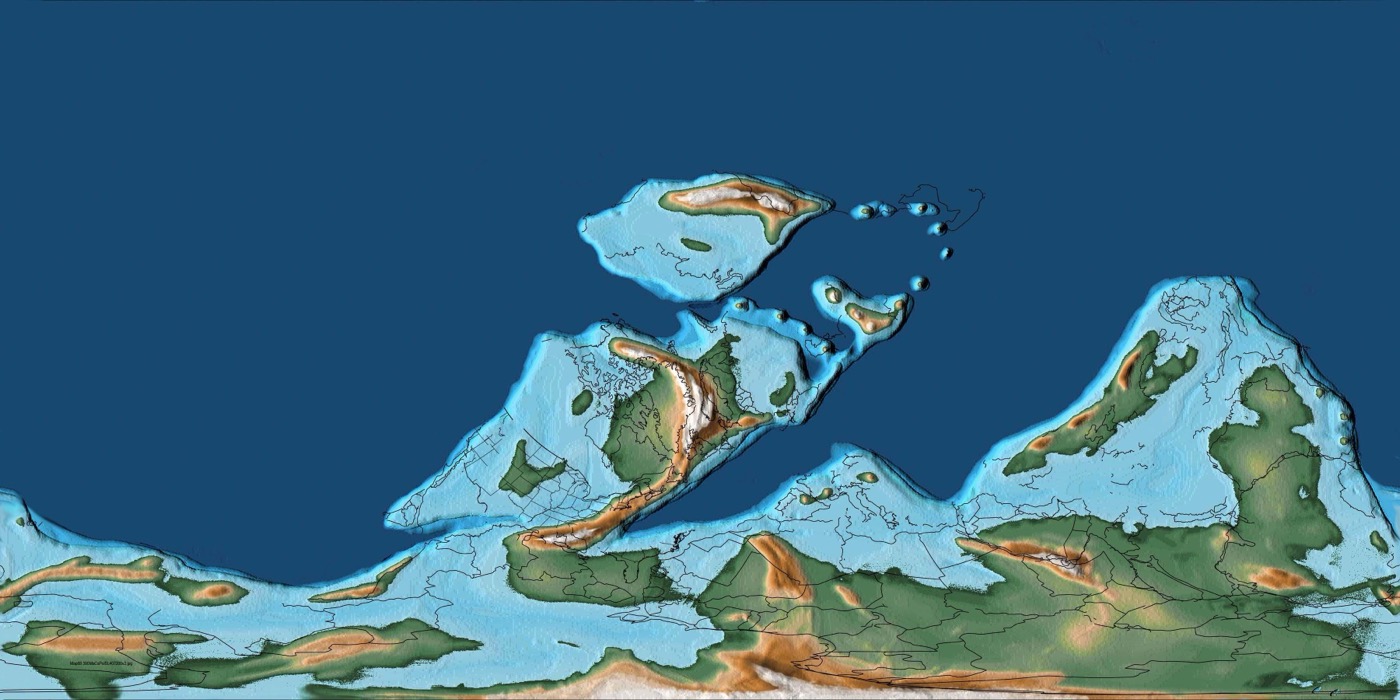
Will
Carboniferous
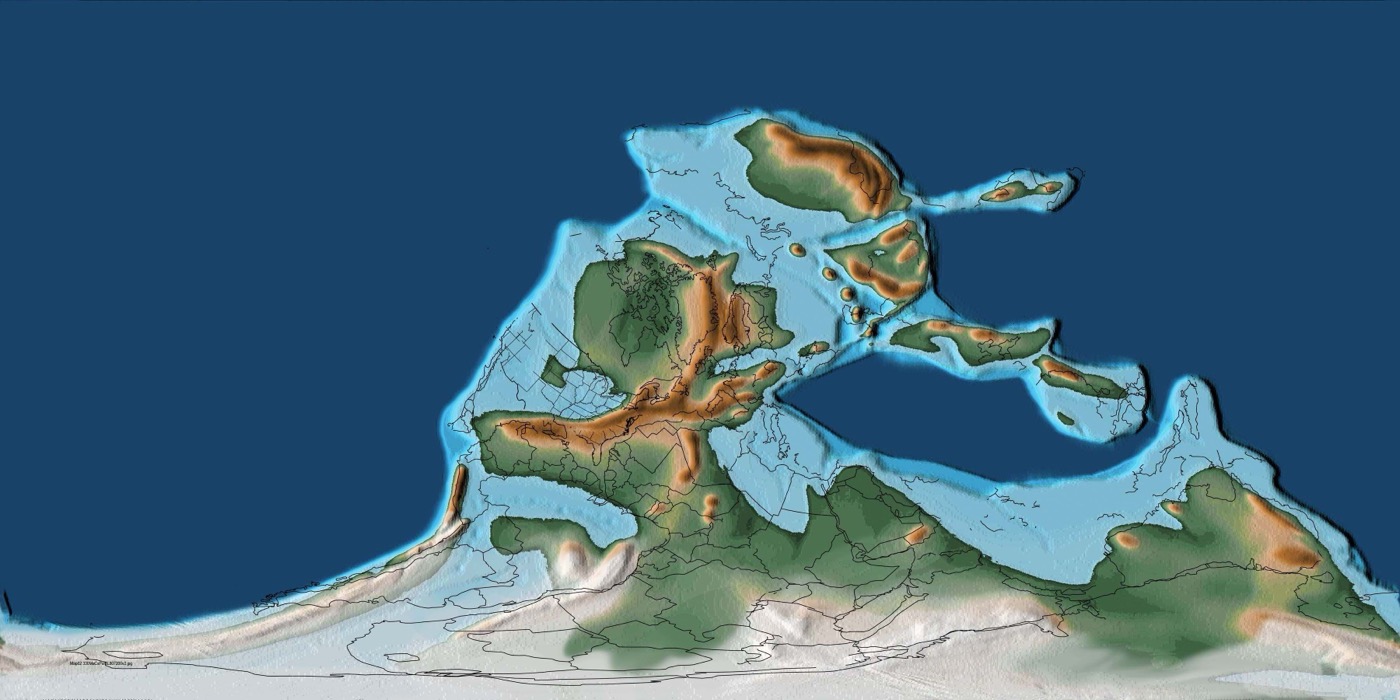
Body
Permian
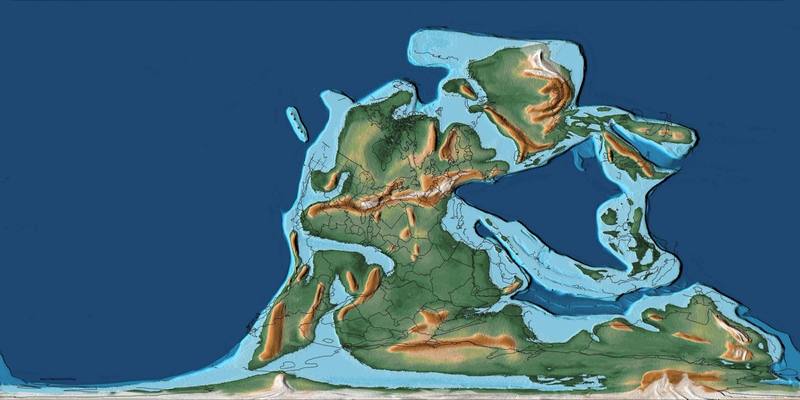
Connection
Triassic
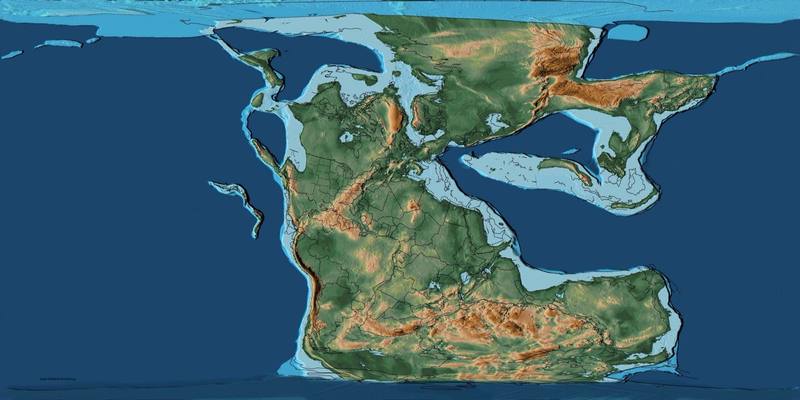
Work
Jurassic
Play
Cretaceous
Wisdom
Paleogene
ONE-Human
Neogene
ONE-Planetary
Quaternary